What Is Augmentation Rhinoplasty?
Augmentation rhinoplasty is a surgery we perform at our Minneapolis-area clinic that adds structure to the nose and improves balance. Instead of reducing or reshaping existing features, this approach builds up areas like the bridge using grafts or implants. It’s often recommended for patients with a low nasal bridge or a collapsed, “saddle” appearance from injury or prior surgery.
While many rhinoplasty procedures focus on refining the tip or reducing size, augmentation rhinoplasty surgery is more about restoring what is missing. By strengthening the underlying structure, this nose augmentation surgery can create better facial balance while also making it easier to breathe comfortably.
Common Considerations Before Augmentation Rhinoplasty
Adding structure to the nose can feel like a big step, especially when the goal is to enhance definition without losing what makes your face feel like your own. That’s why augmentation rhinoplasty requires thoughtful planning and a clear understanding of both form and function before moving forward with surgery.
Important considerations include:
- Choosing the right material, since it plays a major role in both appearance and longevity. Autologous grafts, using your own tissue from the septum, ear or rib, are often preferred because they integrate naturally and provide lasting support.
- Facial balance is just as important as nasal shape. Augmentation is not about making the nose stand out, but about how it fits with the chin, forehead and overall profile so the result feels cohesive and natural.
- Ensuring a stable foundation for whatever’s built. Careful structural support ensures the added definition holds over time and continues to support both the appearance and function of the nose.
Augmentation Rhinoplasty Surgery at a Glance
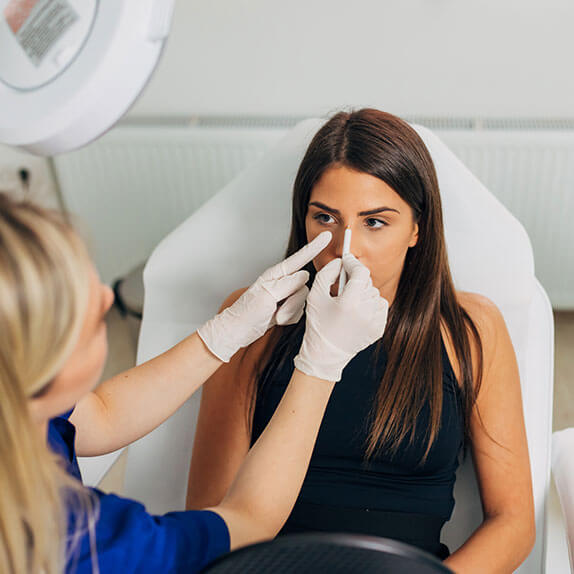
During your consultation at our Minneapolis-area clinic, you’ll discuss what your goals are with augmentation rhinoplasty, your health history and any previous surgeries. Together, you and your doctor will discuss your options and choose a course of treatment.
- Outpatient/inpatient: Outpatient
- Length of surgery: 1–3 hours
- Anesthesia: General or sedation
- Length of recovery: Several months
Augmentation Rhinoplasty Surgeon Dr. Justin Wudel
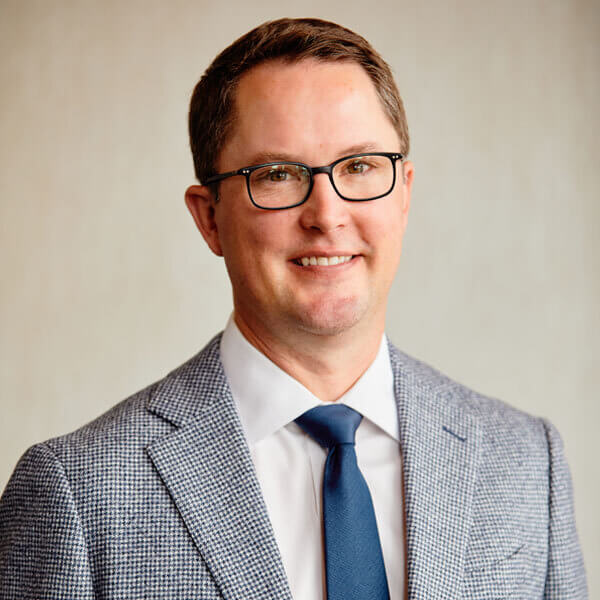
Dr. Justin Wudel is a University of Michigan fellowship-trained facial plastic and reconstructive surgeon, double board-certified in Otolaryngology and Facial Plastics and member of the medical honor society at the University of Minnesota. He’s known for his award-winning expertise and thoughtful approach to his work — specializing in procedures for the aging face like rhinoplasty, face lifts, mini face lifts and scar revision.
Your Experience at Our State-of-the-Art Facility
When asked about the inspiration for Renew’s state-of-the-art facility and care, Dr. Wudel shared, “When we started Renew, we started it with the goal of providing the most high-end expert personalized plastic surgery care in the region. What we really strive to achieve here is a very natural result so that when you walk out of here you look like you — just a slightly better version of you.”
Schedule a consultation at the facility — located in Edina in Minneapolis’ western metro — to see for yourself.
Request an Appointment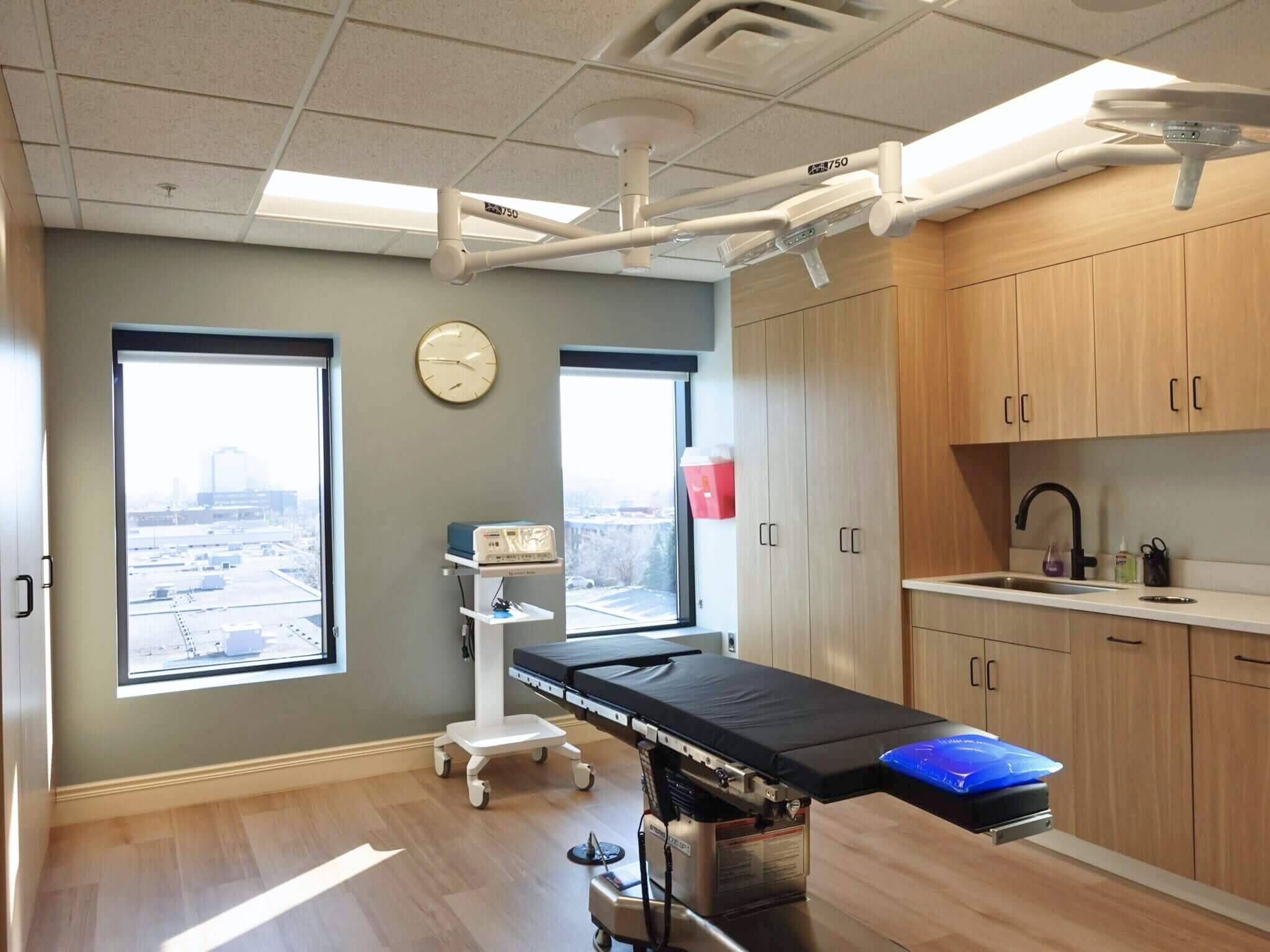
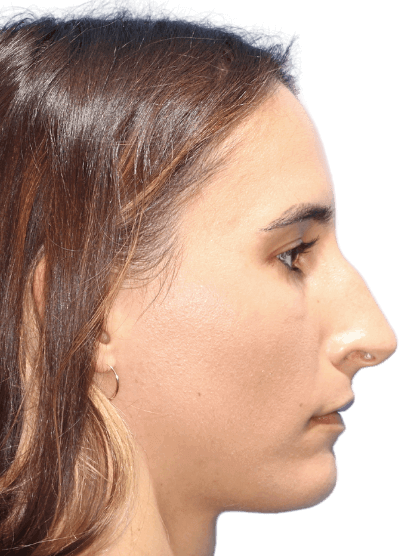
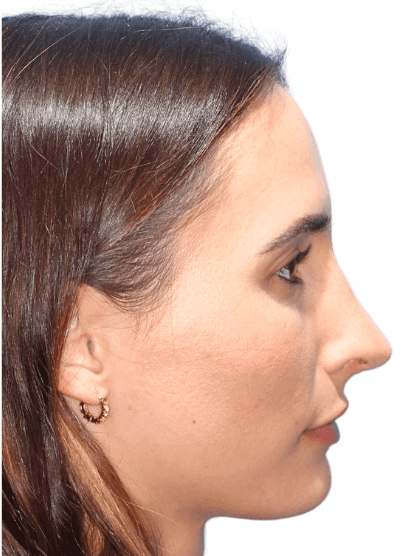
See the Results
There’s no denying the impact augmentation rhinoplasty can make — see the difference for yourself!
Rhinoplasty
Recovery Timeline for Augmentation Rhinoplasty Surgery
Recovery after augmentation rhinoplasty surgery occurs gradually. While initial changes happen fairly quickly, it takes time before final results settle into place. Knowing what to expect makes the healing period more manageable.
- Days 1 to 3: Swelling is usually at its peak, congestion is common and mild oozing may occur. Nasal packing may also be present.
- Days 4 to 7: Bruising often peaks and then starts to yellow as it begins to fade. Splint removal typically happens around day seven.
- Weeks 2 to 3: Visible bruising continues to improve.
- Weeks 4 to 6: The nasal bones are generally stable and about 70 to 80% of swelling has resolved.
- Months 3 to 12: Final tip definition gradually emerges, numbness continues to improve and the nose settles into its long-term shape.
Minnesota weather can add a few extra healing considerations, especially during the colder months.
- Humidification is important, particularly during dry winter weather
- Saline spray can help support nasal hydration and comfort
- Cold protection is very important while your nose is still healing
- Sun safety is also important in every season to protect the skin and support a smooth recovery

Frequently Asked Questions
Augmentation rhinoplasty is generally considered permanent, especially when structural grafts are used to build and support the nose. Grafts made from your own tissue tend to integrate with existing structures over time, creating a more stable and lasting result. While the nose will continue to age naturally along with the rest of the face, the added structure itself is designed to hold its shape long term.
Results from nose augmentation surgery are long-lasting and often lifelong when performed with proper technique and materials. Autologous grafts in particular are known for their durability and stability. Implants can also provide lasting results, though they may require monitoring over time.
Rhinoplasty is a highly individualized procedure, and satisfaction is closely tied to thoughtful planning and clear expectations. In some cases, patients may choose a revision to refine details or address subtle concerns, but this is not typically due to major complications. Careful surgical technique and a strong focus on facial balance help create results that feel natural and aligned with each patient’s goals.
A deviated septum can be corrected during rhinoplasty when the procedure includes a functional component, often referred to as functional rhinoplasty. While augmentation rhinoplasty focuses on building structure and definition, it can be combined with septal correction when needed. All you have to do is talk to your surgeon about your goals and how surgery can help you achieve them.

Don’t Wait Another Day
Call +1 (952) 227-3639 for a Consultation