The Goals of Functional Rhinoplasty Surgery
Functional rhinoplasty surgery is performed to improve how the nose works, not just how it looks. While cosmetic rhinoplasty focuses on reshaping visible features like the bridge or tip, functional nose surgery addresses the internal structures that control airflow. This often includes correcting a deviated septum, reinforcing weakened nasal valves and reducing the impact of enlarged turbinates capable of blocking airways.
The functional nose surgery experience at our Edina clinic in the Minneapolis metro is designed to restore proper airflow while maintaining or subtly refining the external appearance of the nose.
By focusing on both structure and stability, the procedure supports long-term breathing comfort without compromising facial balance.

Common Conditions We Address
Functional rhinoplasty surgery is often recommended for patients experiencing persistent breathing issues tied to structural problems inside the nose. These conditions can develop gradually or result from injury, significantly impacting daily comfort either way.
- Deviated Septum: Straightening the wall of cartilage between your nostrils to improve airflow and reduce obstruction
- Nasal Valve Collapse: Strengthening narrow or weakened passages that may “pinch” closed during inhalation
- Turbinate Hypertrophy: Reducing enlarged internal tissues that contribute to chronic congestion and a “stuffy nose” sensation
- Nasal Trauma: Repairing structural damage from past breaks or sports injuries that continue to restrict breathing
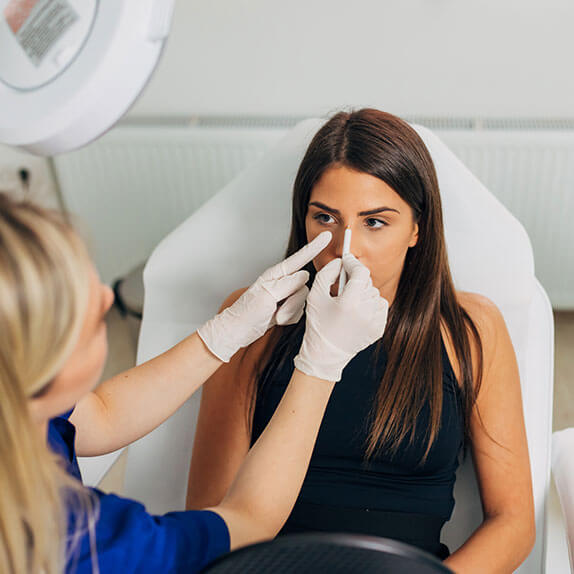
Functional Rhinoplasty at a Glance
Functional rhinoplasty is a surgery designed to help improve breathing without impacting the inherent symmetry of a person’s face.
During your consultation, you will discuss your appearance goals, health history and any previous surgeries. Together, you and your doctor will discuss your options and choose a course of treatment.
- Outpatient/inpatient: Outpatient
- Length of surgery: 1–3 hours
- Anesthesia: General or sedation
- Length of recovery: Several months
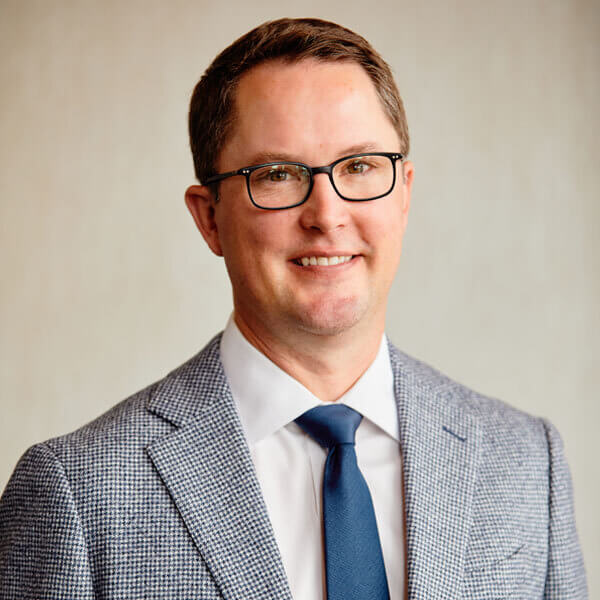
Functional Rhinoplasty Surgeon Dr. Justin Wudel
Dr. Justin Wudel is a University of Michigan fellowship-trained facial plastic and reconstructive surgeon, double board-certified in Otolaryngology and Facial Plastics and member of the medical honor society at the University of Minnesota. He’s known for his award-winning expertise and thoughtful approach to his work — specializing in procedures for the aging face like rhinoplasty, face lifts, mini face lifts and scar revision.
Your Experience at Our State-of-the-Art Facility
When asked about the inspiration for Renew’s state-of-the-art facility and care, Dr. Wudel shared, “When we started Renew, we started it with the goal of providing the most high-end expert personalized plastic surgery care in the region. What we really strive to achieve here is a very natural result so that when you walk out of here you look like you — just a slightly better version of you.”
Schedule a consultation at the facility — located in Edina in Minneapolis’ western metro — to see for yourself.
Request an Appointment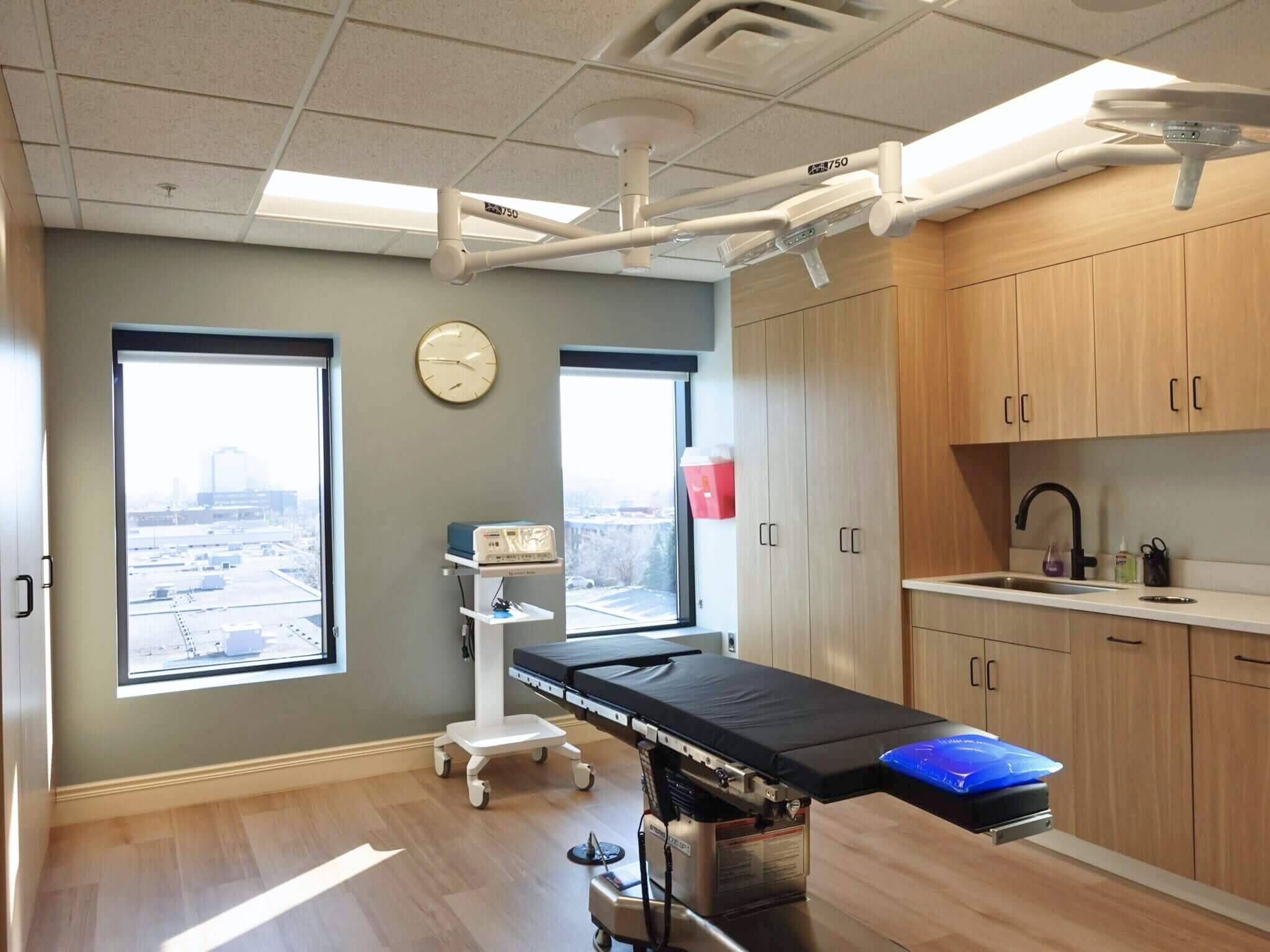
See the Results
There’s no denying the impact functional rhinoplasty can make — see the difference for yourself!
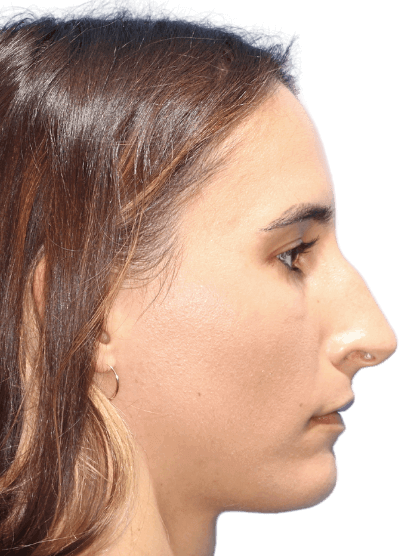
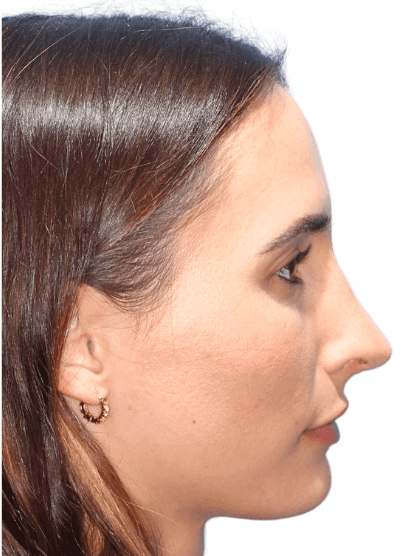
Rhinoplasty
Recovery Timeline for Reduction Rhinoplasty Surgery
Recovery after functional rhinoplasty surgery is a gradual process. While the first changes happen fairly quickly, final results take time. Knowing what to expect can make the healing period feel more manageable.
- Days 1 to 3: Swelling is usually at its peak, congestion is common and mild oozing may occur. Nasal packing may also be present.
- Days 4 to 7: Bruising often peaks and then starts to yellow as it begins to fade. Splint removal typically happens around day seven.
- Weeks 2 to 3: Visible bruising continues to improve.
- Weeks 4 to 6: The nasal bones are generally stable and about 70 to 80% of swelling has resolved.
- Months 3 to 12: Final tip definition gradually emerges, numbness continues to improve and the nose settles into its long-term shape.
Minnesota weather can add a few extra healing considerations, especially during the colder months.
- Humidification is important, particularly during dry winter weather
- Saline spray can help support nasal hydration and comfort
- Cold protection is very important while your nose is still healing
- Sun safety is also important in every season to protect the skin and support a smooth recovery
Frequently Asked Questions
For people dealing with the feeling that breathing through the nose never quite works right, functional rhinoplasty surgery can make a meaningful difference. That’s because it targets the structural issues causing the problem, whether they’re a collapsed valve or a blocked airway. With their airways cleared, patients often notice fewer interruptions at night and less dependence on medications that only offer temporary relief.
Insurance often covers functional rhinoplasty when there is a clear medical need. That usually means documented breathing obstruction tied to issues like a deviated septum or nasal valve collapse, along with a history of symptoms that have not improved with medication. Each plan is different, so approval will always depend on the unique details, but the functional portion of the procedure is commonly eligible. Any changes made purely for appearance are handled separately and generally not included in coverage.
This is a common misunderstanding. A deviated septum can qualify a patient for medically necessary surgery, but that doesn’t extend to cosmetic changes. Insurance may cover the work required to improve breathing, like straightening the septum or reinforcing internal structures. Adjustments to the shape of the nose are considered elective. In some cases, both can be done at the same time, but only the functional portion is eligible for coverage.
Most functional rhinoplasty procedures take a few hours, depending on what needs to be corrected. A straightforward septal repair is quicker, while cases involving valve reconstruction or prior injury can take longer. The surgery is performed under anesthesia and patients typically return home the same day. The focus during that time is precision, making sure each internal structure is properly supported so breathing improvements hold up long after healing is complete.

Don’t Wait Another Day
Call +1 (952) 227-3639 for a Consultation