Precision Refinement for a Naturally Balanced Profile
Reduction Rhinoplasty and Nose Tip Plasty in Minneapolis, MN
Understanding Reduction vs. Tip Plasty?
At our Minneapolis clinic, the reduction rhinoplasty surgery looks at the whole nose rather than one isolated feature. It’s often used to reduce a dorsal hump on the bridge, narrow the nasal bones and create a slimmer silhouette that feels more balanced with the rest of the face.
Tip plasty is a more focused procedure for patients who like the overall bridge of their nose but want to refine the tip. It can address a variety of concerns, like: a bulbous tip that feels too round or wide, a ptotic tip that droops downward (especially when smiling) or asymmetry where one side of the tip differs from the other.

Common Considerations Before “Going Under the Knife”
It’s normal to want a smaller or more refined nose while also worrying about whether the result will still look like you. That’s why reduction rhinoplasty requires precision and a clear understanding of function before any surgical decisions are made.
Important considerations include:
- The “Goldilocks” rule matters in reduction rhinoplasty surgery. Removing too much tissue can create a pinched appearance or lead to breathing issues, so Dr. Wudel focuses on conservative reduction that keeps the nose looking natural and structurally strong.
- Skin thickness can have a major impact on how much refinement shows after surgery. During your consultation, we will talk about how your skin is likely to drape over the new, smaller framework and what that may mean for your final result.
- Profile changes often get the most attention, especially when a dorsal hump is removed, but the frontal view matters just as much. A nose can look dramatically improved in profile and still feel too narrow from the front if the reduction is not carefully balanced to the rest of the face.

If you make my nose smaller, will it be harder to breathe?
This is a common concern, and one we take seriously. Great care is taken not to collapse the nasal valves, which are the narrowest part of the airway. Internal support can be preserved with spreader grafts (small strips of cartilage), even as the outer size of the nose is reduced.
If you also have a deviated septum or enlarged turbinates, Dr. Wudel, a board-certified otolaryngologist and fellowship-trained facial plastic and reconstructive surgeon, can often correct those issues during the same surgery, which may leave your smaller nose functioning even better than it did before.
Reduction Rhinoplasty at a Glance
Reduction rhinoplasty is a surgery designed to bring the nose into better proportion with the rest of the face.
During your consultation, you will discuss your appearance goals, your health history and any previous surgeries. Together, you and your doctor will discuss your options and choose a course of treatment.
- Outpatient/inpatient: Outpatient
- Length of surgery: 1–3 hours
- Anesthesia: General or sedation
- Length of recovery: Several months
Reduction Rhinoplasty Surgeon Dr. Justin Wudel
Dr. Justin Wudel is a University of Michigan fellowship-trained facial plastic and reconstructive surgeon, double board-certified in Otolaryngology and Facial Plastics and member of the medical honor society at the University of Minnesota. He’s known for his award-winning expertise and thoughtful approach to his work — specializing in procedures for the aging face like rhinoplasty, face lifts, mini face lifts and scar revision.

Your Experience at Our State-of-the-Art Facility
When asked about the inspiration for Renew’s state-of-the-art facility and care, Dr. Wudel shared, “When we started Renew, we started it with the goal of providing the most high-end expert personalized plastic surgery care in the region. What we really strive to achieve here is a very natural result so that when you walk out of here you look like you — just a slightly better version of you.”
Schedule a consultation at the facility — located in Edina in Minneapolis’ western metro — to see for yourself.
Request an Appointment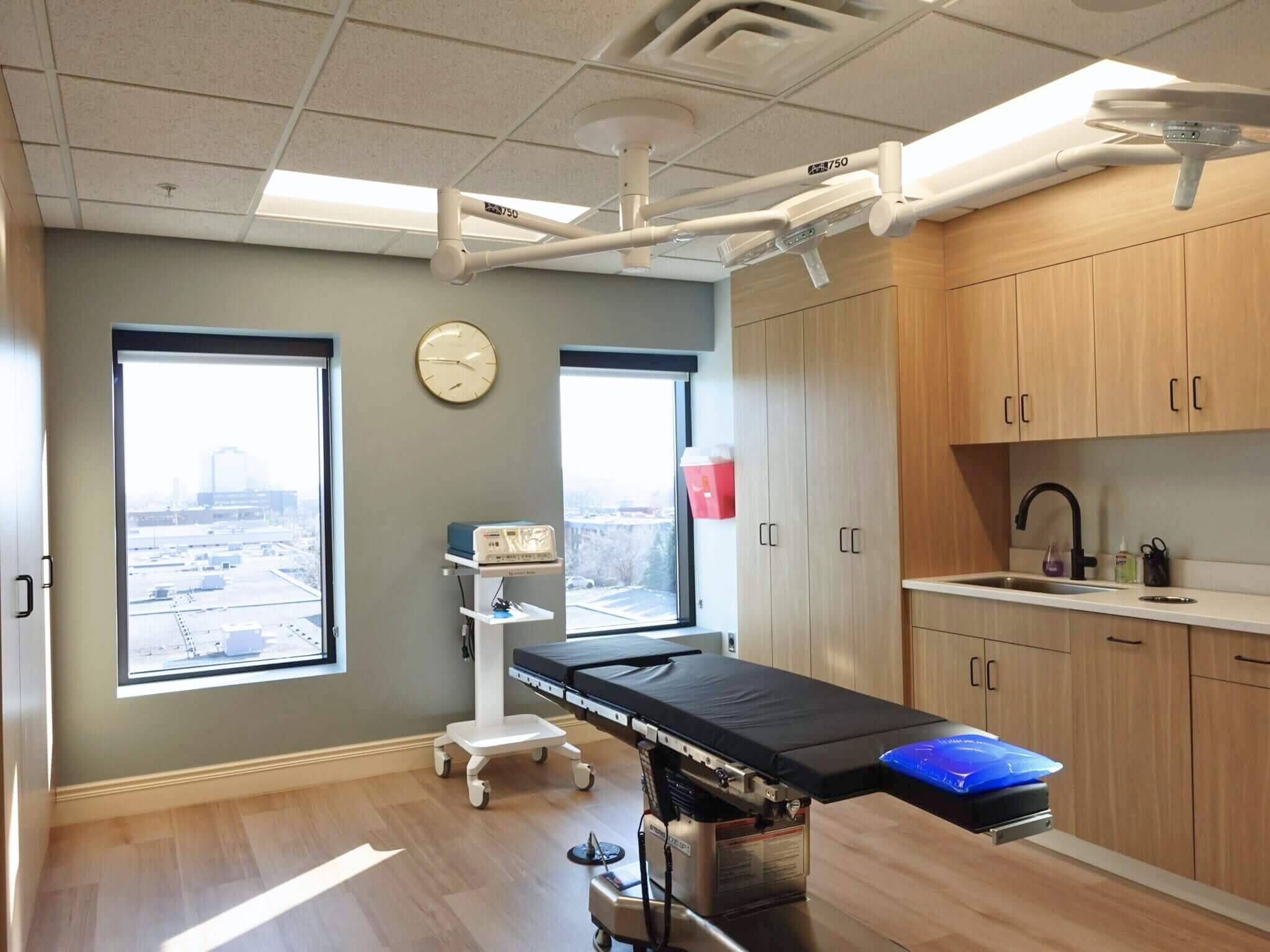
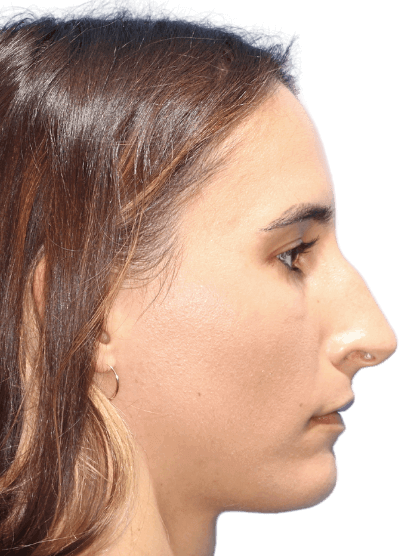
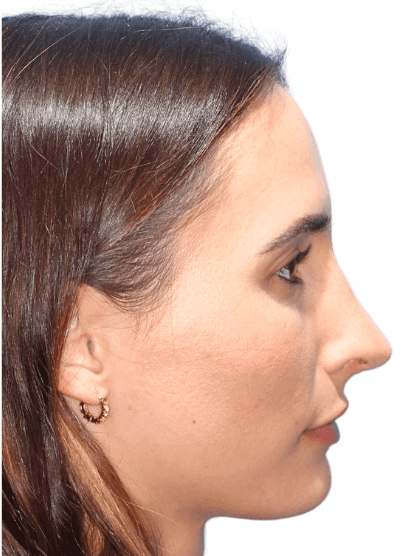
See the Results
See for yourself how reduction rhinoplasty and tip plasty can help make a real difference in your appearance.
Rhinoplasty
Recovery Timeline for Reduction Rhinoplasty Surgery
Recovery after reduction rhinoplasty surgery is a gradual process. While the first changes happen fairly quickly, final results take time. Knowing what to expect can make the healing period feel more manageable.
- Days 1 to 3: Swelling is usually at its peak, congestion is common and mild oozing may occur. Nasal packing may also be present.
- Days 4 to 7: Bruising often peaks and then starts to yellow as it begins to fade. Splint removal typically happens around day seven.
- Weeks 2 to 3: Visible bruising continues to improve.
- Weeks 4 to 6: The nasal bones are generally stable and about 70 to 80% of swelling has resolved.
- Months 3 to 12: Final tip definition gradually emerges, numbness continues to improve and the nose settles into its long-term shape.
Minnesota weather can add a few extra healing considerations, especially during the colder months.
- Humidification is important, particularly during dry winter weather
- Saline spray can help support nasal hydration and comfort
- Cold protection is very important while your nose is still healing
- Sun safety is also important in every season to protect the skin and support a smooth recovery

Frequently Asked Questions
Non-surgical options like dermal fillers can create the appearance of a smoother profile, but they cannot reduce the size of the nose. If the goal is to make the nose smaller or more refined, surgery is the only option that can achieve that level of change.
Reduction rhinoplasty typically takes between one and three hours, depending on the complexity of the changes being made. Your surgeon will walk through the expected timeline during your consultation so you know exactly what to expect.
Nose tip plasty is usually a more limited procedure because it focuses only on the lower part of the nose rather than the entire nasal structure. That can make it less extensive than full rhinoplasty, but safety really depends on the details of your anatomy, your goals and the experience of your surgeon. For the right candidate, both procedures can be safe and effective.
Yes, nose reduction is generally considered safe when it’s performed by a qualified surgeon with a strong understanding of both facial aesthetics and nasal function. The key is careful planning and refined technique. At Renew, the goal is not simply to make the nose smaller, but to create a refined result that still looks natural and works well.
Rhinoplasty is usually best once the nose has finished developing, which means it’s never recommended before the mid-to-late teen years. Beyond that, the right age depends more on overall health, emotional readiness and having a clear, realistic reason for wanting surgery than on a particular age.
Revision rates for rhinoplasty are generally around 10 to 15 percent, which is why pre-operative planning is so important. At Renew, a great deal of time is spent discussing your goals, evaluating your anatomy and planning changes carefully before surgery so the result feels aligned with what you truly want.

Don’t Wait Another Day
Call +1 (952) 227-3639 for a Consultation